

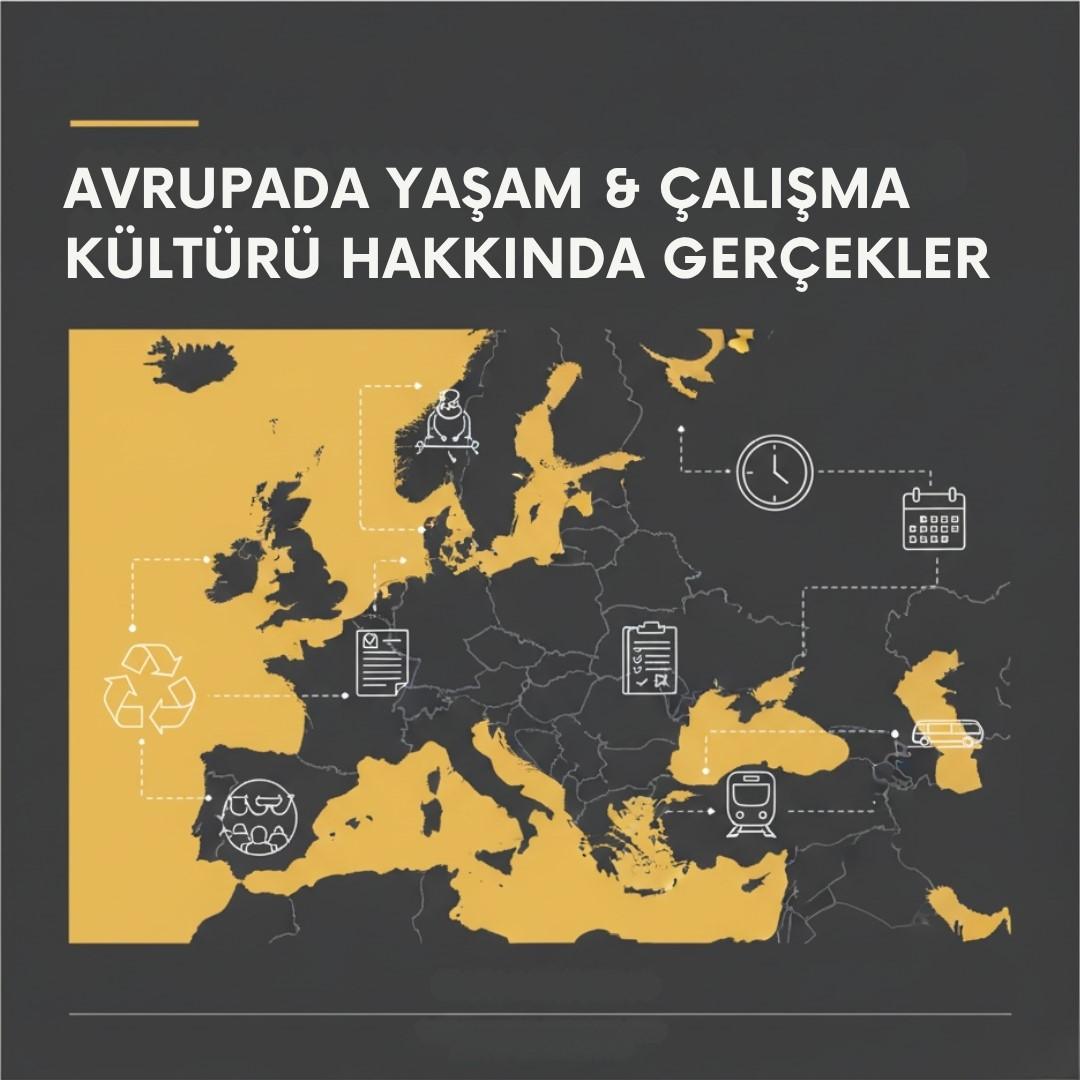
Hello to everyone who wants to make a fresh start in Europe!
For many, Europe is a land of opportunity and home to historic cities and high living standards. However, while dreaming of living and working in Europe, developing a realistic perspective on this experience is vital for a successful adjustment process.
Here are the most important facts you need to know about the living and working culture you will encounter in Germany and Western Europe in general:
I. Facts About Work Culture
The European business world is generally built on efficiency, balance and adherence to rules.
-
Work-Life Balance Really Exists: In Europe, and especially in Germany, working hours and vacation time are strictly respected. You are not expected to answer emails after working hours or while on vacation. Productivity matters more than working long hours.
-
Hierarchies Are Flat, Communication Is Clear: Workplace hierarchies are flatter (especially in young and tech companies). Communication is direct and clear. Criticism is about the work, not personal, and is meant to contribute to your development.
-
Appointments and Punctuality Are Paramount: Being late for a meeting or for work is perceived as a serious sign of disrespect. Appointments are sacred; being punctual is essential in both social and professional life.
-
Rules and Contracts: Everything is based on written rules and contracts. Your working hours, leave and rights are set out in your contract. While this may seem bureaucratic, it gives you great security.
-
Strong Trade Unions and Rights: Workers' rights are highly developed in Europe. You are protected by strong laws on sick leave, paid vacation and social security.
II. Facts About Everyday Life
Daily life in Europe brings not only rules but also a strong sense of social awareness.
-
Environmental Awareness and Recycling Are a Way of Life: The recycling (Mülltrennung) system is very detailed and mandatory. Putting the right waste in the right bin is more than a rule; it is a responsibility. Great importance is also placed on saving energy.
-
Being "Spontaneous" Is Hard: Especially in Germany, even social activities are often planned in advance. Rather than dropping in on a friend unannounced, it is customary to arrange a time beforehand.
-
Personal Space and Privacy Are Valued: In Europe, especially in Germany and the Scandinavian countries, personal space and privacy are very important. Keeping social distance and not entering someone's personal space without permission is a basic rule.
-
Sundays Are Completely Closed: In many parts of Europe (especially Germany), supermarkets and most shops are closed on Sundays. This day is devoted to family, rest and cultural activities. Getting used to this can be challenging at first.
-
Public Transport Culture: Especially in big cities, public transport (trains, subways, trams) is widespread, punctual and reliable. Owning a car is not a necessity but usually a choice.
Conclusion: The Key to Adaptation and Success
The culture of living and working in Europe may differ from your habits in Türkiye. Success comes from accepting these rules and cultural differences not as restrictions, but as the "rules of the game."
EDU'X CONSULTING is here not only to help you find a job, but also to give you the practical knowledge you need to adapt quickly to this new culture and way of doing business. Start your European adventure prepared, and make a difference!